Gut health · 4 min read
Aloe vera: the inside story on your insides
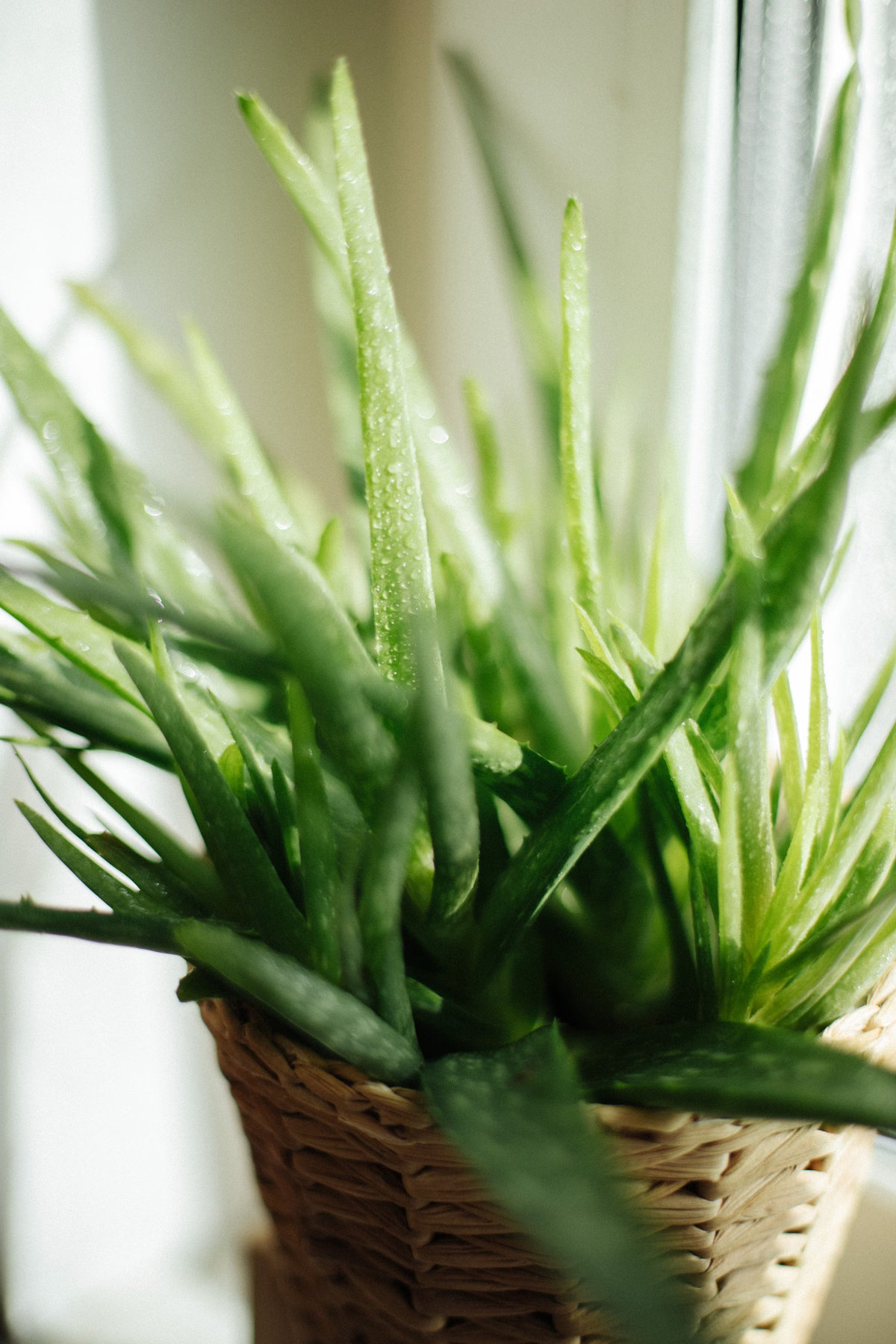
Aloe vera has been the plant you rub on sunburn for as long as anyone can remember. But walk down any wellness aisle and you’ll now find it in juices and gels meant for drinking. So what’s the story — clever marketing, or is there something to it? Here’s the honest, no-hype version.
A plant with four thousand years of form
Aloe has been used by practically every civilisation that could grow it — the Egyptians called it the “plant of immortality”, which was perhaps overselling it, but you get the idea. The part people drink comes from the inner leaf: a clear gel that’s mostly water plus a mix of polysaccharides, vitamins, minerals and amino acids.
Inner leaf versus whole leaf — the bit worth knowing
This is the detail that separates a good aloe product from a regrettable one. The outer leaf contains aloin, a bitter latex compound with a, let’s say, urgent laxative reputation. Quality drinking aloe is made from the purified inner leaf with the aloin removed or reduced to trace levels. If a label doesn’t mention this, that’s your cue to keep browsing.
Why gut-curious people drink it
Fans describe it as gentle and settling — something calm to start the morning with, in a routine that’s kind to digestion. The research is genuinely interesting but still young: small studies, promising signals, nothing you should treat as a medical claim. Anyone promising aloe will “fix your gut” is selling something. What it can honestly be is a pleasant, hydrating habit that makes a wellness routine feel doable.
How people actually take it
Most drinkers take a small measure — typically a couple of tablespoons — neat or in juice or a smoothie, often first thing. It tastes mild and faintly green, nothing like the medicinal experience you might fear. Consistency matters more than quantity: a little daily beats a heroic gulp once a fortnight.
Choosing well, and a sensible word
Look for high aloe content (not water with a rumour of aloe), inner-leaf sourcing, low or removed aloin, and ideally organic certification so someone independent has checked the claims. And the standard good sense applies: if you’re pregnant, on medication or have a health condition, have a word with your GP or pharmacist before adding anything new — aloe included.
The honest takeaway
Drinking aloe isn’t a miracle and isn’t snake oil — it’s a gentle, ancient plant habit that modern routines have rediscovered. Choose purified inner-leaf products with the aloin dealt with, start small, be consistent, and keep your expectations honest.
Shop organic aloe vera juice →
This article is for general wellbeing and is not medical advice. Food supplements are not a substitute for a varied, balanced diet. If you are pregnant, breastfeeding, taking medication or have a health condition, speak to your GP or pharmacist first.